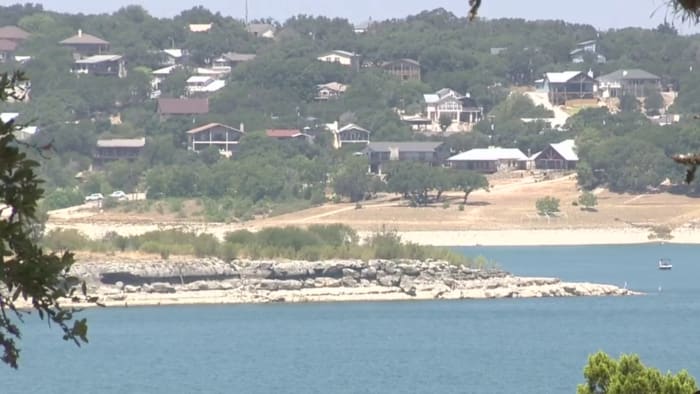
Canyon Lake Water Level: A Remarkable Turnaround from Record Lows
Canyon Lake, often hailed as the "Jewel of the Texas Hill Country," is a vital reservoir that provides recreation, supports local economies, and serves as a critical component of the regional ecosystem. However, like many South Texas lakes, it has faced significant challenges in recent years due to persistent drought conditions. The Canyon Lake Water Level has been a top concern for residents, businesses, and visitors alike. After grappling with historic lows earlier in the year, recent developments have brought a much-needed breath of fresh air, sparking optimism for the lake's future and the communities it sustains.
The Rollercoaster Ride of Canyon Lake Water Levels in 2024
The start of 2024 painted a grim picture for Canyon Lake and its neighboring reservoirs. By May, the lake had plummeted to what many considered unprecedented lows, reaching a staggering 45.1% of its full capacity. This record-low Canyon Lake Water Level sent ripples of concern throughout the region. Local businesses, heavily reliant on tourism and water-based activities, faced an uncertain summer. Marinas saw boat ramps disappear beneath exposed lakebed, fishing guides struggled to find navigable waters, and lakeside property owners watched their scenic views recede dramatically.
Experts and weather forecasters had predicted another hot, dry summer, which would have only exacerbated the already dire situation. Evaporation rates, particularly in Texas's scorching summer months, can lead to significant daily water losses, further diminishing lake levels. The outlook was bleak, and many braced for worsening conditions, fearing a prolonged drought that could permanently alter the lake's character and the vibrancy of its surrounding communities.
However, nature, in its unpredictable glory, decided to defy expectations. Beginning in the last week of May and intensifying into July, South Central Texas experienced an unexpected and persistent pattern of heavy rainfall. This included significant precipitation culminating in the devastating Hill Country flooding during the Fourth of July weekend. This active weather system continued through mid-July, bringing substantial runoff into the streams and rivers that feed Canyon Lake.
Beyond the direct rainfall, another crucial factor played a role in this turnaround: cooler temperatures and increased cloud cover. San Antonio, a nearby metropolitan area, reported an impressive 63 consecutive days without a single 100-degree high temperature. This milder weather drastically slowed the daily evaporation from area lakes, preventing the rapid water loss typically seen during the peak of summer. The combination of abundant rainfall and reduced evaporation created a perfect storm for recovery, allowing the Canyon Lake Water Level to begin its remarkable ascent.
Current Status: A Significant Rebound (as of July 23)
The cumulative effect of these favorable weather conditions has transformed the outlook for Canyon Lake. As of Wednesday, July 23, the lake has demonstrated a truly impressive recovery. For 20 consecutive days, beginning on July 4, the Canyon Lake Water Level has risen steadily. During this period, the lake gained an astonishing 14.59 feet in elevation. To put that into perspective, this equates to approximately 26.8 billion gallons of water flowing back into the reservoir, a volume that underscores the intensity of the recent rainfall and runoff.
Specifically, Canyon Lake’s surface elevation now sits at 892.45 feet above sea level. This reading means the lake is considered 68.1% full, a substantial improvement from the record low of 45.1% recorded just weeks prior on May 26. While this recovery is cause for celebration, it's important to note that the lake still remains more than 16 feet below its full capacity level of 909 feet. However, this is the highest the Canyon Lake Water Level has been since September 2023, offering a much-needed respite and renewed hope for the community. The lake has not been considered truly full since November 2021, highlighting the severity of the long-term drought conditions it has endured.
This rebound brings immediate benefits. Boat ramps are reopening, fishing opportunities are improving, and the local businesses that thrive on lake tourism are beginning to see a resurgence of activity. The increased water volume also benefits the lake's ecosystem, providing more habitat for fish and wildlife and helping to mitigate the stress caused by prolonged low levels.
Why Canyon Lake's Water Level Matters: Beyond Recreation
The fluctuating Canyon Lake Water Level has far-reaching implications that extend beyond just recreational pursuits. Its health directly impacts the economic vitality of the surrounding communities, the ecological balance of the region, and even subtly influences the broader water resource discussions in Texas.
- Economic Impact: Canyon Lake is a cornerstone of the local economy. Businesses ranging from marinas, resorts, and vacation rentals to restaurants, retail shops, and guide services depend heavily on a healthy lake level to attract tourists and maintain operations. When water levels drop dramatically, these businesses suffer, leading to job losses and reduced local tax revenue. Conversely, a rising lake level revitalizes these sectors, boosting employment and economic activity.
- Ecological Health: The lake is home to a diverse array of aquatic life, including various fish species (such as striped bass, largemouth bass, and catfish), turtles, and migratory birds. Fluctuating water levels can stress these ecosystems, impacting spawning grounds, food availability, and habitat. A stable or recovering water level helps restore critical habitats, promotes biodiversity, and ensures the long-term health of the lake's flora and fauna.
- Property Values and Community Well-being: For residents, the lake's level affects property values and overall quality of life. Lakefront properties naturally command higher prices when the water is accessible and abundant. Beyond economics, the lake serves as a community hub, a place for gathering, relaxation, and connection with nature. Its vitality is intrinsically linked to the well-being and morale of the Canyon Lake community.
Looking ahead, the recent recovery, while significant, underscores the dynamic and often unpredictable nature of Texas weather. While the immediate crisis has eased, the long-term challenge of water conservation and drought preparedness remains. Understanding and adapting to these fluctuations will be key to ensuring the sustainability of Canyon Lake for generations to come.
Tips for Visitors and Residents: Navigating Changing Lake Levels
Even with the recent improvements, staying informed and prepared is crucial for anyone enjoying or living near Canyon Lake. Here are some practical tips to navigate the ever-changing Canyon Lake Water Level:
- Always Check Current Levels: Before planning a trip or launching a boat, make it a habit to check the most up-to-date lake levels. Websites like the USGS and local authorities often provide real-time data. This information can significantly influence your recreational choices.
- Boating Safety and Navigation: At lower levels, submerged hazards like stumps, rocks, and shallow areas become more prevalent. Even with rising levels, caution is advised. Always be aware of your surroundings, use nautical charts, and consider having a spotter. Be mindful of prop damage and lower unit stress.
- Adjust Your Recreational Activities: When water levels are lower, some activities might be more challenging. Consider alternative water sports like kayaking, paddleboarding, or jet skiing, which may be less restricted than larger powerboating. When levels are higher, more options become available, but always be aware of new debris or submerged structures.
- Support Local Businesses: Regardless of lake levels, local businesses often feel the direct impact. Make an effort to support them through patronage, which helps them weather periods of fluctuating tourism.
- Practice Water Conservation: Every gallon counts. Residents can contribute by adopting water-wise landscaping, fixing leaks, and being mindful of indoor water use. Visitors can also practice responsible water usage during their stay. Learn more about ongoing conservation efforts and how they impact the lake by reading Canyon Lake Water Level - Article 2.
- Stay Informed: Follow local news sources and official lake management updates. Understanding long-term weather patterns and regional water management strategies can provide valuable context. For a deeper dive into historical trends and future predictions, consider exploring Canyon Lake Water Level - Article 3.
Conclusion
The recent surge in the Canyon Lake Water Level is a testament to the resilience of nature and a welcome relief for a community that had braced for the worst. From record lows in May to a significant rebound in July, the lake's journey through 2024 has been a dramatic one. While the immediate crisis has abated, the story of Canyon Lake is an ongoing narrative of balancing human enjoyment with environmental stewardship and adapting to the dynamic climate of the Texas Hill Country. Staying informed, practicing conservation, and supporting the local community will ensure that Canyon Lake continues to shine as a cherished destination for years to come.