Canyon Lake's Remarkable Rebound: A Closer Look at Current Water Levels
Canyon Lake, a beloved jewel nestled in the heart of the Texas Hill Country, has been a focal point of concern for residents, businesses, and recreational enthusiasts alike. For much of the spring, reports on the Canyon Lake Water Level painted a grim picture, with the lake reaching historic lows by May. The specter of another scorching, dry Texas summer loomed large, threatening to push conditions from bad to worse. However, defying all expectations, the narrative has taken a dramatic and welcome turn, thanks to a serendipitous combination of weather patterns that have brought life-giving rain and cooler temperatures to the region. This significant improvement in the Canyon Lake Water Level is not just good news; it's a testament to nature's unpredictable generosity and the resilience of South Texas's water systems. After languishing at record-low volumes, the lake has experienced a remarkable resurgence in recent weeks, transforming its outlook and offering a much-needed boost to the local community. Understanding the factors behind this dramatic shift, and what it means for the future, is crucial for anyone with a stake in this vital natural resource. For more background on the lake's fluctuating levels and their impact, you might want to read Canyon Lake Water Level - Article 1.A Dramatic Surge: Unpacking the Recent Increase in Canyon Lake's Water Level
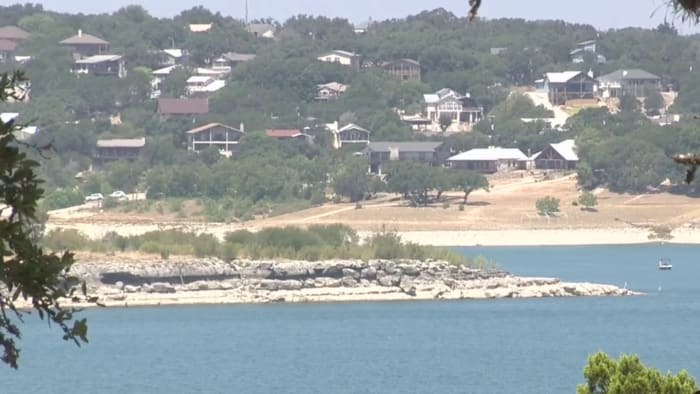
The transformation of Canyon Lake's water levels this summer has been nothing short of extraordinary. Beginning around the Fourth of July, the lake embarked on an impressive streak of daily increases, a trend that continued for twenty consecutive days. This sustained rise translated into a significant influx of water, adding an astonishing 14.59 feet to the lake's depth. To put that into perspective, this equates to approximately 26.8 billion gallons of water pouring into the reservoir – a truly monumental volume that has fundamentally altered the lake's status. As of a recent measurement, the Canyon Lake Water Level registered a surface elevation of 892.45 feet above sea level. While still more than 16 feet below its full capacity of 909 feet, this level signifies a major improvement. The lake, which had dwindled to a mere 45.1% full at its lowest point on May 26, has now rebounded to be considered 68.1% full. This represents the highest the lake has been since September 2023, offering a beacon of hope after a period of intense drought conditions. The last time Canyon Lake was considered truly "full" was back in November 2021, underscoring the severity of the challenges faced in recent years and highlighting the significance of this current recovery.The Hydrological Helpers: Factors Driving Canyon Lake's Recovery
The remarkable turnaround in the Canyon Lake Water Level is not a random occurrence but rather the result of several interconnected meteorological and hydrological phenomena working in concert. The primary driver has been the unusually heavy and consistent rainfall experienced across the South Texas region since the latter part of May. This active weather pattern, which culminated in significant Hill Country flooding around the Fourth of July weekend, has continued well into mid-July, providing ample runoff into the numerous streams and tributaries that feed Canyon Lake. Beyond the sheer volume of rainfall, two other critical factors have played a pivotal role:- Increased Cloud Cover: Alongside the rain, the region has experienced an uptick in cloud cover. This seemingly minor detail has a profound impact, as it helps to block direct sunlight and keep ambient temperatures significantly cooler than what is typically expected during the peak of summer. For instance, San Antonio recently marked an impressive streak of 63 consecutive days without hitting a 100-degree high temperature – a stark contrast to previous summers.
- Reduced Evaporation Rates: Cooler temperatures, coupled with increased humidity from the rainfall, dramatically slow down the rate of daily evaporation from the lake's surface. In hot, dry conditions, evaporation can account for substantial water losses from large reservoirs like Canyon Lake. By mitigating this natural process, the lake has been able to retain a much larger percentage of the incoming rainfall and runoff, allowing its levels to climb steadily rather than being immediately offset by evaporation.
What the Improved Canyon Lake Water Level Means for Recreation and Local Economy
The rising Canyon Lake Water Level brings a wave of positive implications for everyone from avid boaters and anglers to local businesses that rely on tourism. The shift from historically low levels to a more robust 68.1% full has tangible benefits:Enhanced Recreational Opportunities
- Boating and Water Sports: Higher water levels mean easier access to boat ramps, opening up more areas of the lake for exploration. Less concern about shallow spots and submerged hazards makes for a safer and more enjoyable experience for jet skiers, wakeboarders, and pleasure boaters.
- Fishing: Stable or rising water levels often invigorate fish populations, creating better spawning grounds and increasing activity. Anglers can expect improved conditions for catching bass, catfish, and other species native to Canyon Lake.
- Swimming and Shoreline Access: More extensive shorelines and deeper waters mean better swimming areas and more comfortable beach experiences for families and sun-seekers.
Boost for the Local Economy
Businesses surrounding Canyon Lake, including marinas, rental shops, restaurants, and accommodation providers, heavily depend on visitor traffic. Low water levels often deter tourists, leading to economic strain. The improved Canyon Lake Water Level is a significant morale booster and a practical advantage for these enterprises:
- Increased Tourism: A healthier lake attracts more visitors, leading to higher bookings for hotels, greater sales for tackle shops, and more diners in local eateries.
- Property Values: While speculative, consistent healthy lake levels can contribute positively to property values in the long term, making Canyon Lake a more desirable place to live and invest.
- Community Spirit: Beyond economics, a thriving lake enhances the quality of life for permanent residents and fosters a stronger sense of community pride.
Looking Ahead: Sustaining Canyon Lake's Water Level and Responsible Stewardship
While the recent surge in the Canyon Lake Water Level is cause for celebration, it also serves as a critical reminder of the dynamic and often unpredictable nature of water resources in Texas. The lake's history of not being full since November 2021 underscores the challenges posed by fluctuating rainfall patterns and increasing demand. Moving forward, a balanced approach combining environmental awareness, responsible water management, and community participation will be essential to sustain the lake's health. Key considerations for the future include:- Continued Monitoring: Regular monitoring of rainfall, evaporation rates, and stream inflows is vital for accurate forecasting and adaptive management strategies.
- Water Conservation: Even during periods of higher levels, water conservation remains a crucial practice. Educating residents and visitors about efficient water use helps to reduce overall demand on the Guadalupe River Basin, which feeds Canyon Lake.
- Drought Preparedness: Texas is prone to cycles of drought and flood. Maintaining robust drought contingency plans and infrastructure improvements will be key to mitigating the impacts of future dry spells.
- Understanding Climate Patterns: Gaining a deeper understanding of regional climate change and its potential impact on rainfall and temperature patterns will inform long-term planning for water security.